
Swiss referendum lessons
the Swiss referendum on immigration has lessons for European hard-right parties like the Rasssemblement National in France calling for a similar referendum.

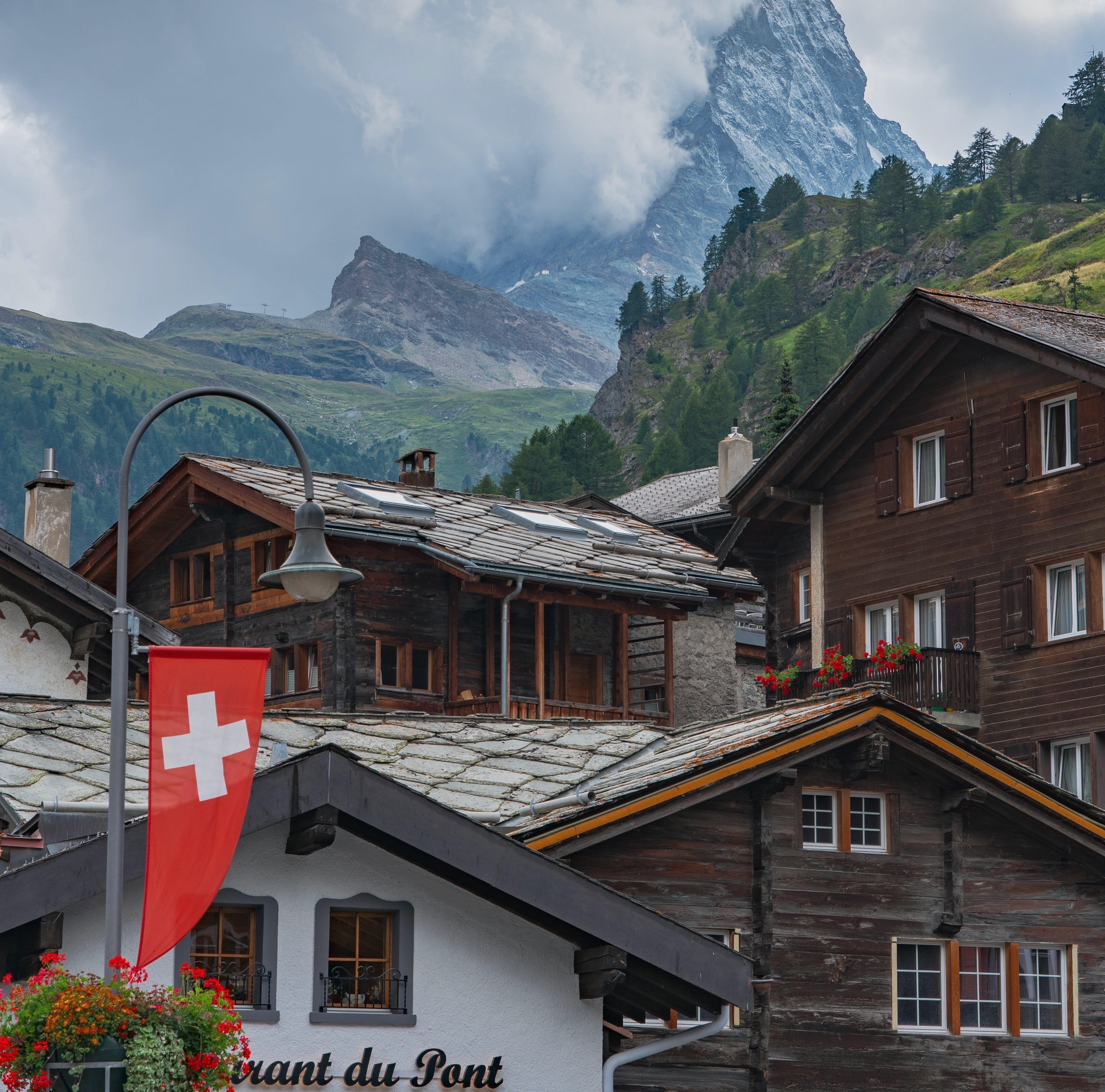
In a referendum this weekend, Swiss voters rejected a proposal by the Swiss People’s Party (SVP) to cap the country’s population at 10 million by 2050. The initiative was defeated by 55% to 45%, on a turnout of 59%. Support for the cap was concentrated in rural cantons, with opposition strongest in cities and border regions, and particularly the French-speaking west.
Far-right parties elsewhere in Europe have similarly sought to leverage referendums as a way to advance restrictive immigration policies outside normal institutional channels. Jordan Bardella’s RN has promised a referendum to assert French law over EU migration rules, and the AfD has floated the prospect of a German EU exit – or Dexit – referendum partly as a vehicle for reclaiming migration control. The Swiss result offers a useful case study in how voters respond when such proposals are put to the test.
The SVP’s initiative would have required the government to curb population growth once Switzerland’s population approached 9.5m, including through restrictions on family reunification, residency permits, and asylum. If the population were to exceed 10m before 2050, the government could have been forced to terminate its free-movement agreement with the EU. That would have put Switzerland’s privileged access to the single market at risk – a nation whose economy is dependent on the EU for 60% of its total trade.
The SVP framed the cap around everyday pressures like rising rent, crowded trains, and pressure on public services. But the “no” campaign was ultimately effective in shifting the debate toward the economic threat of losing single-market access and cutting off the supply of skilled foreign labour. Far from an abstraction, Switzerland’s ageing population is readily apparent in understaffed hospitals and overstretched care homes. With over 27% of residents born abroad and the vast majority arriving from EU countries for work, the case that immigration fills a structural gap proved persuasive. Still, the 45% who supported the initiative represent a sizeable constituency still concerned over immigration and the pressures associated with population growth.
There is a potential lesson here for Jordan Bardella and the RN, who have repeatedly promised a referendum on immigration should they enter government. The Swiss result suggests that when voters are confronted with a concrete proposal rather than an abstract demand for control, economic risk-aversion can outweigh demands for tighter migration controls. An RN-led migration referendum in France could face a structurally similar problem – a measure asserting national law over EU treaty obligations would trigger a legal confrontation with the EU that the French public, like the Swiss, might ultimately baulk at.
Sunday’s vote should also be understood in the context of Switzerland’s distinctive political culture. Unlike in France or Germany, where far-right parties are managed through firewalls, the SVP has long been part of Switzerland’s power-sharing executive. The party has championed a series of migration-themed initiatives over the years, and the low barrier to a referendum means these questions get put to voters regularly. This frequency arguably has a moderating effect – perhaps settling these existential questions directly at the ballot box prevents anti-immigration sentiment from festering unaddressed in the background, to be exploited. Whether that dynamic is transferable to larger, more polarised democracies is a different question. But Sunday’s result in Switzerland could be a reminder that, as Jack Smith’s most recent column argues, when democratic processes are trusted, used regularly, and taken seriously, they tend to produce more stable outcomes than the alternative.