
Either all or none
Iran and the US have been escalating their rhetoric and blackmailing actions

Either all or none of the ships can export oil through the straits of Hormuz. This is the new equation of Iran’s strategy summed up by Mohammad Bagher Ghalibaf, Iran’s chief negotiator and speaker of parliament. Iran’s regime seems determined to force its way through, despite nuanced differences between the different factions. Some of the ultra-hardliners no longer want to negotiate with the US, while others prefer to use the straits as a bargaining chip to change the power dynamics in negotiations.
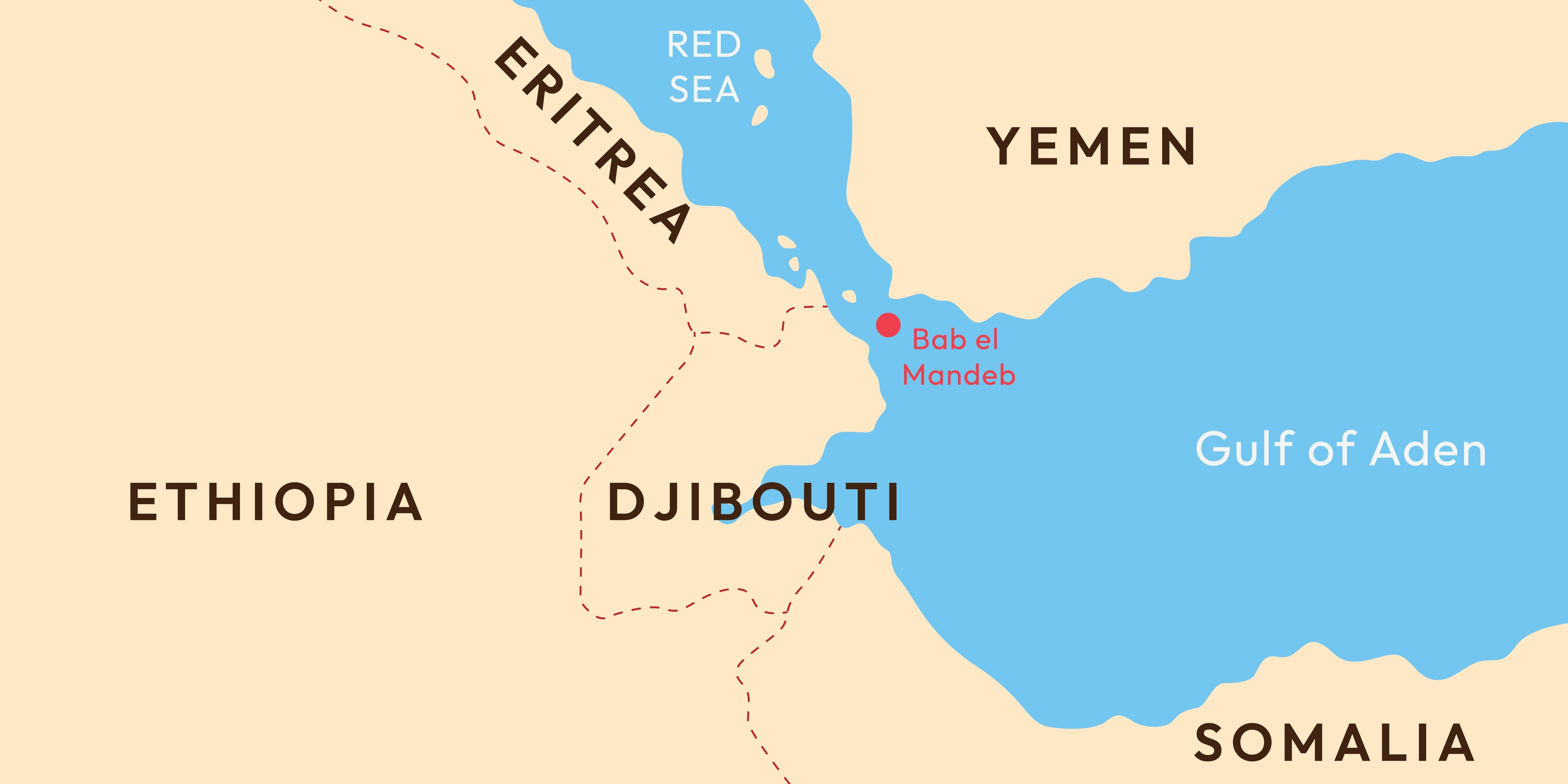
The US and Iran are about to lock themselves into tit-for-tat escalation in rhetoric and action. Last night was the 13th consecutive night of US strikes on Iranian targets. On Wednesday, Donald Trump said that Washington would destroy an Iranian bridge or power plant every time Iran fired on a ship crossing the straits. This came a day after Iran-backed Houthis in Yemen threatened to block Saudi oil exports through the Bab el-Mandeb strait.
The gap between threat and action is wide and unpredictable. Yesterday Donald Trump was telling Axios that he is close to a decision on a massive attack and that the US military will inflict military punishment on Iran and the Houthis if there are more strikes. A large attack would have massive implications for US politics and its troops with an uncertain time horizon for an exit. Escalating to force the other side into concessions is a battle of powers that can last for a while. Oil markets took note and added another pressure point for Trump.
The scope of the confrontation is also widening to other foreign policy decisions. Early this week, the US administration signed a nuclear deal would allow Saudi Arabia to enrich uranium without IAEA inspections, a snub to Iran, where the US administration insisted on intrusive inspections beyond the JCPOA. This deal also caught Israel off guard, especially Benjamin Netanyahu, whose special relationship with the US is his biggest asset in the upcoming elections. Next day Trump rowed back and added the joining of the Abraham accords as a pre-condition. Will Trump’s seesawing not embolden the Iranian regime to hold its position to sit out Trump’s threat-and-retreat pattern?
Iran’s regime seems to be hellbent on also forcing its Arab neighbours to choose sides. Attacking the GCC countries in retaliatory strikes and denying Oman its own rights in the strait of Hormuz risks alienation and complicated post-conflict relations. The latest all-or-none equation on oil exports by closing both the strait of Hormuz and the Bab el-Mandeb is another form of blackmailing the GCC states by inflicting economic pain. Even if the Iranian regime and the Houthis cannot fully enforce their blockades, it reduces export volumes and increases maritime shipping prices for the Gulf states.
The head of the GCC condemned yesterday the Iran-backed Houthi threat to close the Bab el-Mandeb as irresponsible and hostile. He warned that this dangerous escalation is a direct threat to international trade and its strategically most important maritime choke points.
What we are witnessing is a self-enforcing, highly reactive escalation of the Iran conflict. It is not clear at all that either the US or Iran have a coherent strategy for the Middle East other than a diffuse desire to dominate and block out rivals.